Everything You Need to Know About Emergency Call Stations
An emergency call station is a telephone post that allows for quick contact with emergency services in an urgent situation. This device is generally visible along highways and expressways, but also on beaches for some time now. When should you use an emergency call station? What are the characteristics of this device?
What is an emergency call station?
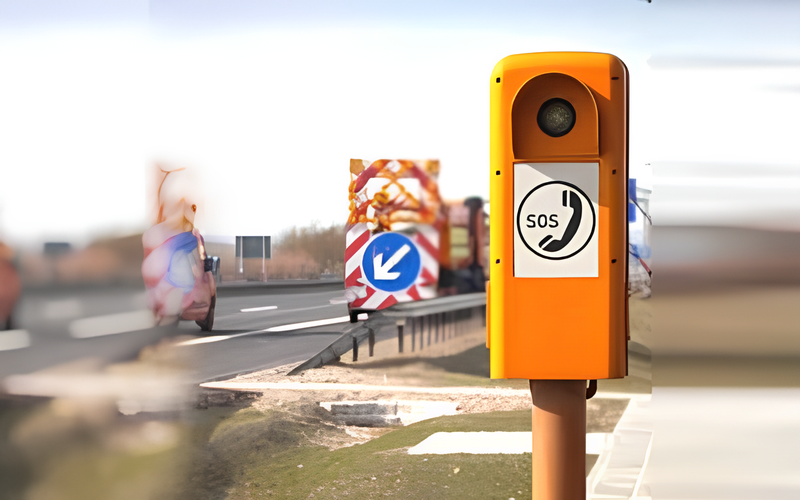
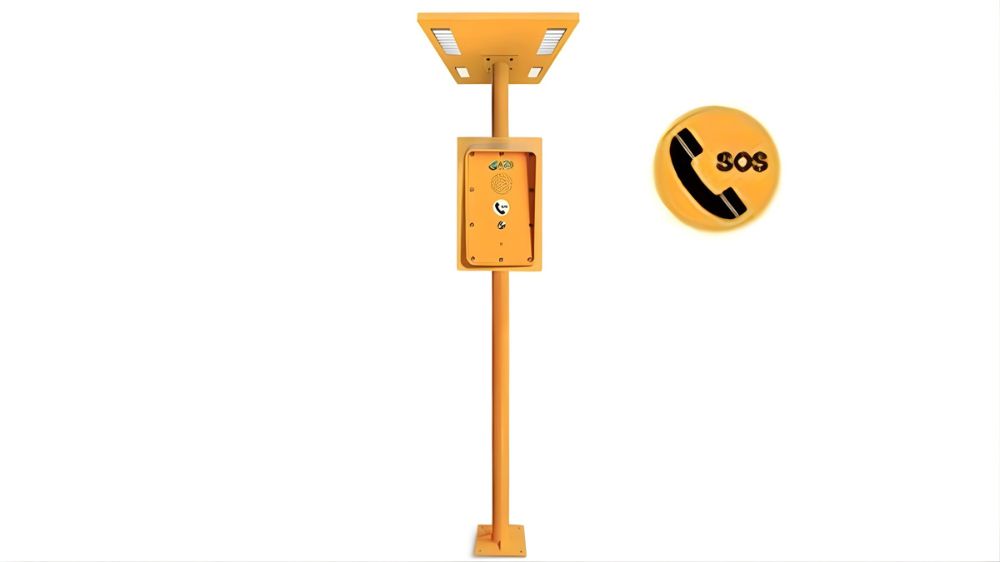
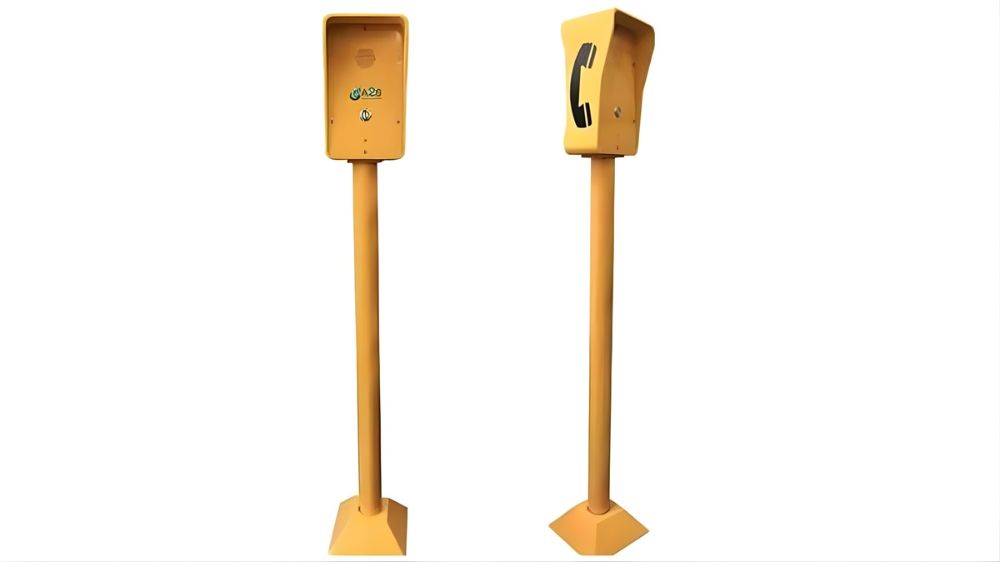
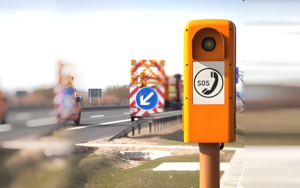
If you are used to driving on highways, you have surely noticed small orange telephone booths along the roads. These are none other than emergency call stations, also known as SOS terminals or emergency posts. As their name suggests, these devices allow emergency calls to be made. In France, emergency call stations are found every two kilometers along the emergency lanes.
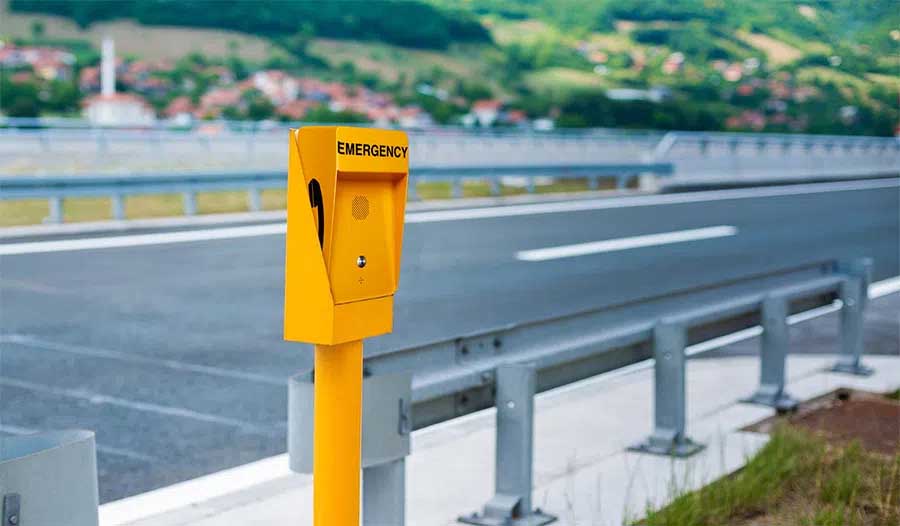
Emergency call stations are recognizable by their orange, yellow, or red color. The inscription “urgences” or “SOS” may also be visible on the booth. One of the particularities of this device is that it isgeolocated.
Regardless of where you make the call from the station, your interlocutor will be able to find your location. Another particularity is that the user does not have to dial a number to make an emergency call. They simply press a button and will be directly connected to an emergency call management center. The online operator will be responsible for contacting the services appropriate to the situation. This may include doctors, ambulances, firefighters, or breakdown services.
The advantage of the emergency call station is that you can contact emergency services at any time, wherever you are. Whether you have lost your smartphone or its battery is dead, you will have no trouble getting assistance or rescue. Moreover, thanks to geolocation, you will not have to indicate your position. An emergency call station is powered by photovoltaic panels, and the connection is provided by the GSM network or fiber optics. Except in the event of a breakdown or device failure, you will be assured of immediate assistance. If no agent can receive your call, you have the option to leave a message. Your request will then be processed within a maximum of 25 minutes.
Emergency Call Station:
How and when to use it?
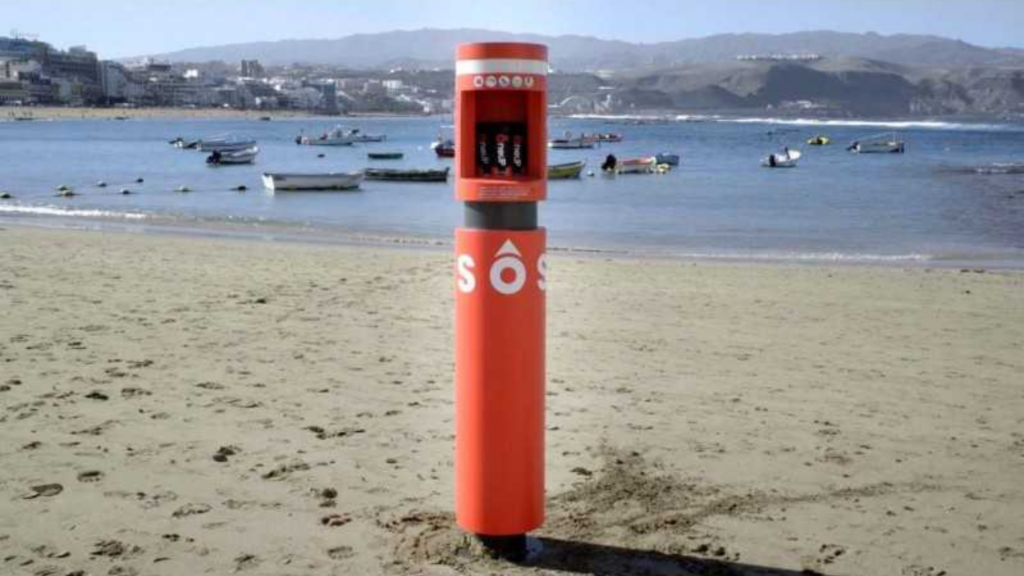
Emergency call stations are devices designed to help people in emergency situations. While we primarily see them on highways, they are also available in train stations, industrial buildings, and even on beaches.
You can use an emergency call station in various situations:
in case of vehicle breakdown;
in case of a road accident (whether you are a victim or a witness);
in case of a passenger feeling unwell;
in case of an incident on the beach (drowning, sting, injury…);
in case of distress (theft, attack, assault…).
In short, whenever you need assistance from emergency services, you can use an emergency call station. Whether you have a phone or not, you can use the device. It is even more recommended to use the SOS station rather than a personal phone in an emergency situation because it is geolocated. It will be easier for emergency services to find the location of the event. With the device located every two kilometers, you will have no difficulty finding one on your way.
ISIS Waterproof Emergency Phone
In short, whenever you need assistance from emergency services, you can use an emergency call station. Whether you have a phone or not, you can use the device. It is even more recommended to use the SOS station rather than a personal phone in an emergency situation because it is geolocated. It will be easier for emergency services to find the location of the event. With the device located every two kilometers, you will have no difficulty finding one on your way.
OneUP Totem Emergency Call Station
To use an emergency call station, simply pick up the handset and press a button. On some devices, there is a speaker function, facilitating the call in cases where you are unable to hold the handset. Depending on the model, the device may have an indicator light that shows the call status. If it is off, you can press the call button. While waiting for the operator’s response, the light will flash. Once the light is steady, you can speak and report the emergency situation.
For better assistance, you should provide as many details as possible about the event for which you are requesting assistance. Only hang up when the agent on the line asks you to.